You do not need a law degree to understand the Special Sheepshead Bay District. Think of it as a neighborhood playbook that guides how buildings look, how ground floors work, and how the waterfront welcomes the public. If you are choosing an apartment or comparing blocks, these rules quietly shape your daily life.
Why the Special District Matters
A special district is simply a set of neighborhood-specific rules layered on top of the city’s standard zoning. In Sheepshead Bay, these rules focus on the Emmons Avenue waterfront and nearby streets. They aim to keep the area lively and walkable, support small shops and restaurants, and build with flood resilience in mind according to the city’s zoning chapter for this district.
For you as a renter, that means a calmer sidewalk experience, more human-scale storefronts, and clearer expectations for plazas, open space, and building design. It is about everyday comfort, not red tape.
Special District Basics in Plain English
Purpose and scope
Special districts exist where a neighborhood has unique qualities to protect or challenges to solve. In Sheepshead Bay, the goals include:
- Strengthening waterfront-friendly retail and recreation
- Encouraging housing in the right places and heights
- Improving walkability and plazas along key streets
- Promoting flood-resilient construction and open space
These priorities are spelled out in the city’s zoning text for the Special Sheepshead Bay District, which sits on top of the underlying residential and commercial zoning and can modify or replace those base rules inside the district as the zoning chapter explains.
How the rules are organized
The rules are grouped by topic so they are easier to apply:
- Streetscape and ground floors. Storefront transparency, entrances, and shop size limits to keep a small-scale, walkable feel on Emmons Avenue and nearby main streets.
- Open space. Sidewalk extensions and public plazas with standards for seating, planting, and lighting, especially along Emmons Avenue.
- Building shape and height. Height caps and setbacks that change by sub-area to protect views and light while allowing reasonable growth.
- Parking and curb cuts. Limits on driveways along main streets to keep sidewalks continuous and safer.
- Incentives. Bonuses for creating quality public plazas or, in limited cases, extra long-term parking. These require city certification and compliance with design standards per the special district text.
Who applies and enforces them
City agencies interpret and enforce these standards when owners seek permits. Property managers and developers interact with planners during design, and some projects require City Planning Commission approvals or certifications. As a resident, you mostly experience the outcome: a consistent streetscape, better sidewalks, and reliable open spaces. For official context or changes, the Department of City Planning maintains the zoning rules and maps online through its sites.
How Rules Shape Daily Life
Building size and design
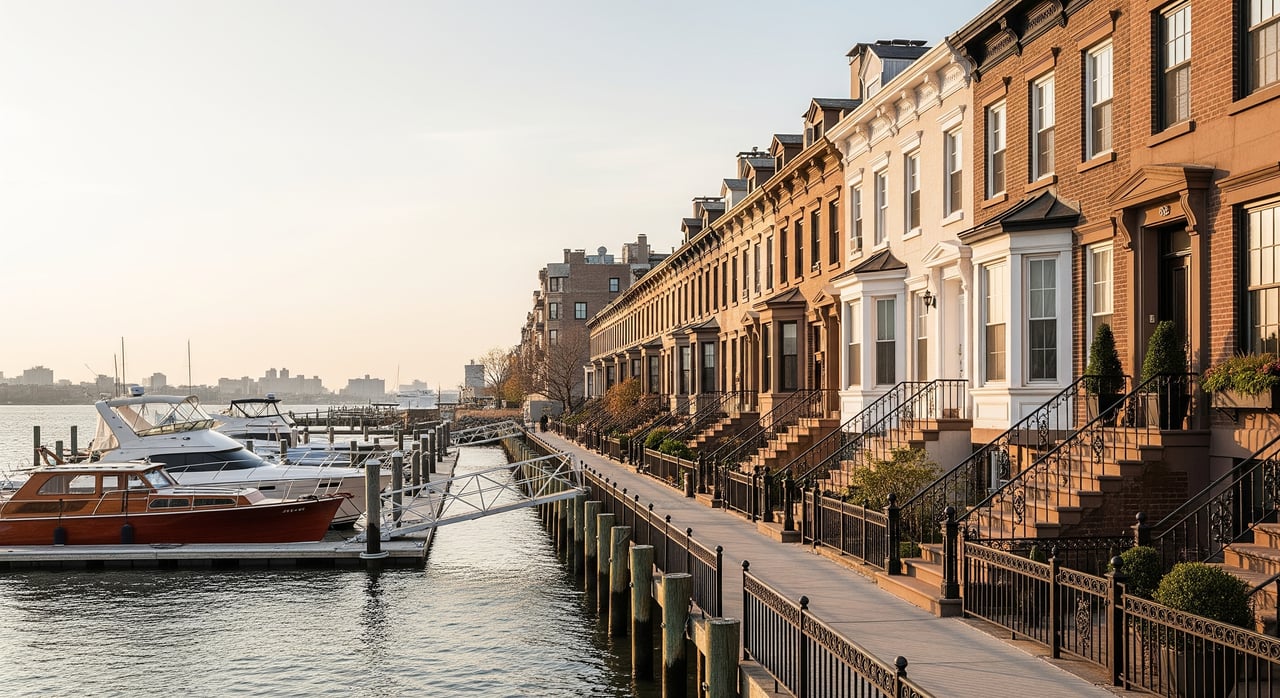
You will notice a rhythm to building heights and streetwalls. Along parts of Emmons Avenue and the bay, the rules keep lower heights close to the water and step taller portions back, which helps preserve light, views, and a comfortable scale. Different sub-areas have different caps, but the big idea is balance: enough homes and activity without canyon-like streets as outlined in the district’s height and setback sections.
Ground-floor uses and retail
To protect the main streets’ character, most individual ground-floor shops on key corridors are limited to smaller footprints and frontages, with tailored allowances for restaurants and certain groceries in specific areas. This nudges the mix toward cafes, local dining, and neighborhood services rather than giant single-tenant storefronts. It is a big reason the area still feels walkable and human scaled per the streetscape and retail provisions.
Parking, traffic, and deliveries
Curb cuts are largely restricted on Emmons Avenue and other named streets, which reduces driveways that interrupt sidewalks. The result is a smoother pedestrian experience and fewer turning conflicts. Where off-street parking exists, screening and placement rules help it blend into the streetscape per the parking and curb-cut sections.
Waterfront access and open space
Many new developments along Emmons must provide a sidewalk extension, and some larger lots must include a public plaza. Plazas have clear design and maintenance standards and must be at or above curb level to support flood resilience. That means more places to sit, stroll, and meet friends, with features designed for durability on the waterfront according to the plaza and sidewalk requirements. Citywide flood-resilience standards were strengthened in 2021 and the district was updated to align with those rules per the city’s flood-resilience update.
Noise, nightlife, and signage
By keeping shop sizes modest and prioritizing transparent, active storefronts, the district encourages lively but not overwhelming night activity. Signage and storefront design standards support a cohesive look. While you will still hear the hum of a waterfront neighborhood, the rules aim for vibrancy that respects nearby homes.
Renting in the District
What to ask on a tour
- How does the building address the sidewalk and street? Look for wide, clear walkways, landscaped edges, and storefronts that add light and activity.
- Are there public-facing areas like plazas or seating nooks? Ask how they are maintained and lit in the evening.
- How are deliveries and ride-hailing pickups handled to avoid crowding the curb on Emmons or Sheepshead Bay Road?
- What are quiet hours for rooftop or pool areas, and how does management balance community time with rest?
Renovations and construction timing
If upgrades are planned, ask how management communicates timelines and noise windows. Some work may need city sign-offs tied to special district standards, so clear updates help you plan. For context on how these standards are structured, the zoning chapter lays out triggers and processes for certifications and permits in the special district text.
Amenities, outdoor space, and pets
In a waterfront district, outdoor areas shine. Ask about lounge seating, shade, lighting, and wind screening on rooftops, plus pet relief zones and cleaning routines. Many design choices reflect local guidance for durable materials and resilient layouts near the bay as aligned with the city’s resilience framework.
Insurance and resilience questions
- What renter’s insurance does the building require, and does it recommend riders for waterfront locations?
- How are critical systems protected or elevated? Does the property have flood-preparedness plans?
- How are plazas and sidewalk extensions maintained after major storms? The district requires these spaces to be open and accessible, so ask about clearing and repairs per the plaza and sidewalk provisions.
Checking an Address and Rules
Finding official maps and texts
You can verify if an address is inside the Special Sheepshead Bay District and see the applicable sub-area using the city’s zoning map tools. The Department of City Planning’s online viewers and zoning text provide the official layers, boundaries, and rules for Areas A through H, along with recent amendments available on the city’s zoning sites and the district chapter. Note the sub-area, any waterfront-related requirements, and nearby main streets that may have storefront or curb-cut limits.
Permits, approvals, and notices
For active projects, look for public notices at the site and check city portals for permit status. Larger actions, like plaza certifications or certain height modifications, may require City Planning Commission review or certifications. The special district text identifies which moves need those steps see the administrative sections in the chapter.
Who to contact for clarity
Start with the building’s leasing or management team for plain-English answers. For official interpretations, the Department of City Planning and city help desks can explain how a rule applies to a block or lot. The city also hosts a Resilient Neighborhoods page that provides background on Sheepshead Bay’s flood-ready design choices and recent updates for additional context.
How Full-service Buildings Help
Clear communication and expectations
Good operators translate local rules into daily comfort. Expect proactive updates on amenity hours, rooftop etiquette, plaza care, and any scheduled work that requires city sign-off. The goal is simple: no surprises.
Operations and maintenance
On-site teams handle the details, from keeping sidewalk extensions clear to maintaining plaza seating, lighting, and plantings to district standards. They coordinate deliveries and ride-hailing to keep the curb orderly on busy nights.
Touring and decision support
Ask for a walkthrough that highlights how the property meets special district guidelines: sidewalk width, storefront design, curb management, flood-prepared mechanicals, and plaza features. A clear tour makes it easy to compare buildings.
Move Forward with Confidence
Understanding the Special Sheepshead Bay District helps you choose a home that matches your lifestyle: leafy walks by the water, small local shops, and well-managed open spaces that feel inviting in every season. If you want waterfront calm with commuter convenience and thoughtful amenities, you can find it here. Ready to see it up close? Request a Tour with Bonjour Capital and experience how a coastal-luxe, professionally managed building brings these neighborhood standards to life.
FAQs
What is the Special Sheepshead Bay District in simple terms?
- It is a neighborhood-specific zoning layer that shapes building scale, storefronts, plazas, and curb use along the Emmons Avenue waterfront and nearby streets to keep the area walkable, vibrant, and flood-ready as detailed in the zoning chapter.
Why are shop sizes limited on certain streets?
- Smaller storefront and frontage limits support a pedestrian feel and encourage a mix of local retail and dining instead of single huge stores per the streetscape rules.
Will I see more plazas and seating by the bay?
- Yes. Many larger sites on Emmons must include public plazas with seating, lighting, and planting, and sidewalk extensions increase walking space. Plazas must be at or above curb level for resilience according to plaza provisions.
How does flood resilience affect buildings and open space?
- Citywide rules adopted in 2021 allow resilient design and require smarter placement of open space. In this district, plazas cannot be below curb level, and buildings can use resilience-friendly standards in flood zones per the city’s flood-resilience update.
Can developments get bonuses for public amenities?
- In some cases, yes. Projects that deliver qualifying plazas or additional long-term parking may receive limited floor-area bonuses, subject to strict design and certification rules explained in the special district text.
How do I check if my building is in the district?
- Use the city’s zoning map tools to look up the address and see the Special Sheepshead Bay District overlay and sub-area. The Department of City Planning hosts the official map viewers and zoning text online through its sites.
Who enforces these rules?
- The Department of City Planning administers the zoning text. Some projects require City Planning Commission actions. Day to day, building owners and managers carry out the standards, and you experience the results on the street and in open spaces per the governing chapter.