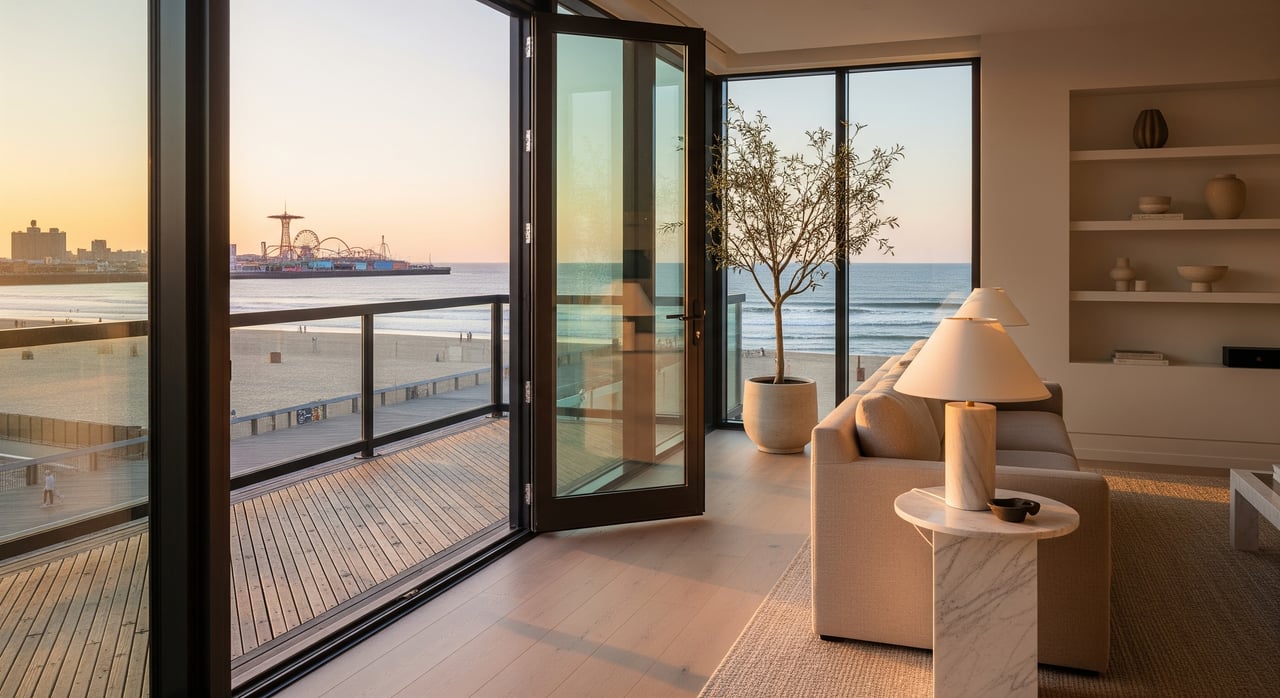
Thinking about living steps from one of New York’s most iconic shorelines? The Coney Island boardwalk delivers ocean views, classic amusements, and endless summer energy. If you love the beach and want a lively neighborhood in warm months with a calmer local vibe the rest of the year, this area could be a great fit. In this guide, you’ll learn what daily life is like near the boardwalk, how seasonality affects noise and crowds, what to inspect in beachfront buildings, commute options, and smart touring tips. Let’s dive in.
What living near the boardwalk feels like
Summer vs. off-season
Coney Island is highly seasonal. From late spring through summer, you’ll see a surge of visitors on weekends and holidays, with the biggest crowds around major events like the Mermaid Parade in June and the July 4 festivities. The beach and amusement parks operate on extended summer hours.
In fall through spring, the area is much quieter. Many seasonal businesses scale back or close, and the boardwalk becomes a peaceful place to walk, run, or watch the waves. If you prefer a calmer pace most of the year but enjoy summer buzz, the rhythm can work well.
Noise and crowds to expect
On summer weekends and holidays, expect heavy foot traffic, amplified ride announcements, music, and more nightlife activity near amusement zones. Summer evenings can be lively. Blocks closer to rides and Surf Avenue tend to be the noisiest. Off-season, noise levels usually drop, and the boardwalk feels residential again.
Housing types and what to inspect
Typical rentals near the beach
You’ll find a mix of older walk-ups, mid-century apartment buildings, some newer developments, and large complexes. Units range from compact studios to multi-bedroom apartments. Proximity to the boardwalk often drives price and noise levels. Short-term or vacation-style rentals exist, but they follow different rules than long-term leases.
Beachfront wear-and-tear checklist
Living by the ocean has perks, but salt air and humidity can be tough on buildings. During tours, look closely at:
- Windows and seals. Check for moisture intrusion and solid caulking.
- Ventilation. Ensure bathrooms and kitchens vent well to limit mold growth.
- Metal fixtures and balcony railings. Look for signs of corrosion.
- Pest control. Ask about recent treatments and trash storage practices.
- Security features. Confirm intercoms, cameras, lighting, and lobby access.
Utilities, AC and insurance
Many older buildings do not include central AC, so window units are common. Summer electricity costs can rise with AC use. Confirm what utilities are included and how you’ll be billed. Renters insurance is generally recommended, but standard policies do not cover flood damage. If you want flood coverage, you typically need a separate policy through the National Flood Insurance Program or a private provider. Learn more about flood insurance options through the FEMA flood insurance resources.
Leases, fees and renter protections
Broker fees and lease terms
Typical NYC leases run 12 months, though some landlords offer different terms. Broker fees may apply, and norms can shift with market conditions. Always ask upfront about fees, renewal terms, sublet rules, and guest policies.
Rent regulation basics
Some apartments may be rent-stabilized or rent-controlled. These homes follow specific rules for rent increases and renewals. If you think a unit may be regulated, verify details with official resources. The New York State housing site provides helpful guidance on rent stabilization and tenant rights.
Transit and commute
Subway lines at Stillwell Avenue
The main transit hub is Coney Island–Stillwell Avenue, where the D, F, N and Q lines terminate. Service patterns can change, so always check the latest schedules. For station and service details, start with the MTA’s Stillwell Avenue station page.
Depending on your destination and time of day, trips to midtown Manhattan typically range from about 45 to 75 minutes. Rush-hour crowding and delays can extend travel times, so build in a buffer for important commutes.
Driving, parking and biking
Street parking near the boardwalk is limited and more competitive during summer. If you plan to keep a car, ask about monthly lots or garages and check seasonal demand. The boardwalk itself is a great place to walk, and bikes are permitted in certain areas according to NYC Parks rules. Always confirm current biking guidelines before riding on or near the boardwalk.
Daily life: beach, food and fun
Beach access and advisories
Coney Island Beach and Boardwalk are public and maintained by NYC Parks. Learn about lifeguard season dates, facilities, and rules by visiting NYC Parks’ Coney Island Beach and Boardwalk page. Water quality can change after heavy rain, so swimmers should check for temporary advisories or closures. For updates on beach water quality, consult the New York State Department of Health beach water information.
Dining, groceries and attractions
You can count on classic boardwalk fare in peak season and casual dining along Surf Avenue and Mermaid Avenue. Many businesses are seasonal, so hours vary. Brighton Beach next door offers a wide array of year-round eateries along its commercial corridors. For family-friendly outings, the New York Aquarium is nearby, operated by the Wildlife Conservation Society. Explore the aquarium through the WCS New York Aquarium page.
For amusement rides and seasonal entertainment, check operator sites for hours. Start with Luna Park’s official site for ride operations and special events. Major summer events, including the Mermaid Parade and other programming, are listed on the Coney Island USA events calendar.
Safety, storms and coastal living
Flood risk is part of coastal life. Some Coney Island blocks are in designated flood zones, and the neighborhood was significantly affected by Hurricane Sandy in 2012. When touring, ask landlords about the building’s elevation, any past flood damage, and repairs such as upgraded electrical or backup power.
For preparedness tips, review NYC Emergency Management’s coastal storm guidance. If you are considering flood insurance for personal property, refer to FEMA’s flood insurance resources and ask carriers about coverage for renters.
Smart touring strategies
When to visit for the full picture
Tour at multiple times to get a realistic sense of life by the boardwalk.
- Early weekday morning. Check typical noise levels, traffic, and street parking.
- Midday weekday. See business hours and foot traffic.
- Evening. Gauge nightlife, lighting, building access, and lobby practices.
- Summer weekend. Experience peak crowd levels, parking demand, and ride noise.
Questions to ask landlords
Use this list to go beyond the basics and surface beachfront-specific details:
- How often do summer events affect noise on this block?
- What is the building’s flooding history and were any resiliency upgrades made?
- Are windows recently replaced or resealed? How is ventilation handled?
- What pest control measures are in place and how often?
- Which utilities are included? How is electricity billed in summer?
- What are the guest, sublet, and renewal policies?
Calmer nearby waterfront pockets
Brighton Beach
Just east of Coney Island, Brighton Beach offers quieter stretches of boardwalk and a wide variety of year-round dining. It trades amusement-park energy for a more residential feel while keeping easy beach access.
Sheepshead Bay
A short trip north along the water, Sheepshead Bay centers on the marina and waterfront restaurants along Emmons Avenue. It is more residential day to day and a good option if you want coastal energy with fewer boardwalk tourists. Many renters compare commute options and building amenities here.
Manhattan Beach
South of Brighton Beach, Manhattan Beach is primarily residential with a calmer shoreline. There are fewer commercial and entertainment options, and public transit is more limited, but you get a quieter beach environment.
Is living here right for you?
If you thrive on ocean views, summer buzz, and easy access to the sand, renting near the Coney Island boardwalk can be a great lifestyle fit. Just make sure you are comfortable with peak-season noise, tourist traffic, and the realities of coastal maintenance. If you want similar waterfront access but a more day-to-day residential pace, consider nearby pockets like Sheepshead Bay or Brighton Beach. You can still enjoy the beach on your schedule while coming home to a quieter block.
Ready to explore your options or tour a waterfront rental with modern amenities and commuter access? Request a Tour with Bonjour Capital.
FAQs
How noisy is living near the Coney Island boardwalk in summer?
- Summer weekends and holidays are the loudest, with ride announcements, music, and larger crowds. Off-season is much calmer, with many seasonal businesses scaling back.
Which subway lines serve Coney Island–Stillwell Avenue, and how long is the commute?
- The D, F, N and Q lines serve Coney Island–Stillwell Avenue. Trips to midtown Manhattan typically take about 45 to 75 minutes depending on service and time of day.
Should I be concerned about flooding in Coney Island rentals?
- Coastal flood risk exists in parts of the neighborhood. Ask about building elevation, past flood repairs, and preparedness. Consider separate flood insurance if you want coverage for personal property.
Where can I find official updates on beach rules and water quality?
- NYC Parks publishes beach and boardwalk rules and lifeguard season info. For water quality advisories after heavy rain, check New York State’s beach water updates.
What building features matter most for beachfront living?
- Look for solid windows and seals, good ventilation, recent corrosion maintenance, pest control practices, and clear security measures like intercoms and cameras.
When is the best time to tour apartments near the boardwalk?
- Tour at multiple times, especially a summer weekend, an evening, and a weekday morning. You’ll see noise levels, parking demand, and building operations in different conditions.
Are there quieter waterfront neighborhoods near Coney Island to consider?
- Yes. Brighton Beach, Sheepshead Bay, and Manhattan Beach offer waterfront access with a more residential feel. Compare commute times and amenities to find the best fit.
How do I check if an apartment is rent-stabilized?
- Ask the landlord for documentation and review official guidance from New York State housing authorities on rent stabilization and tenant rights.