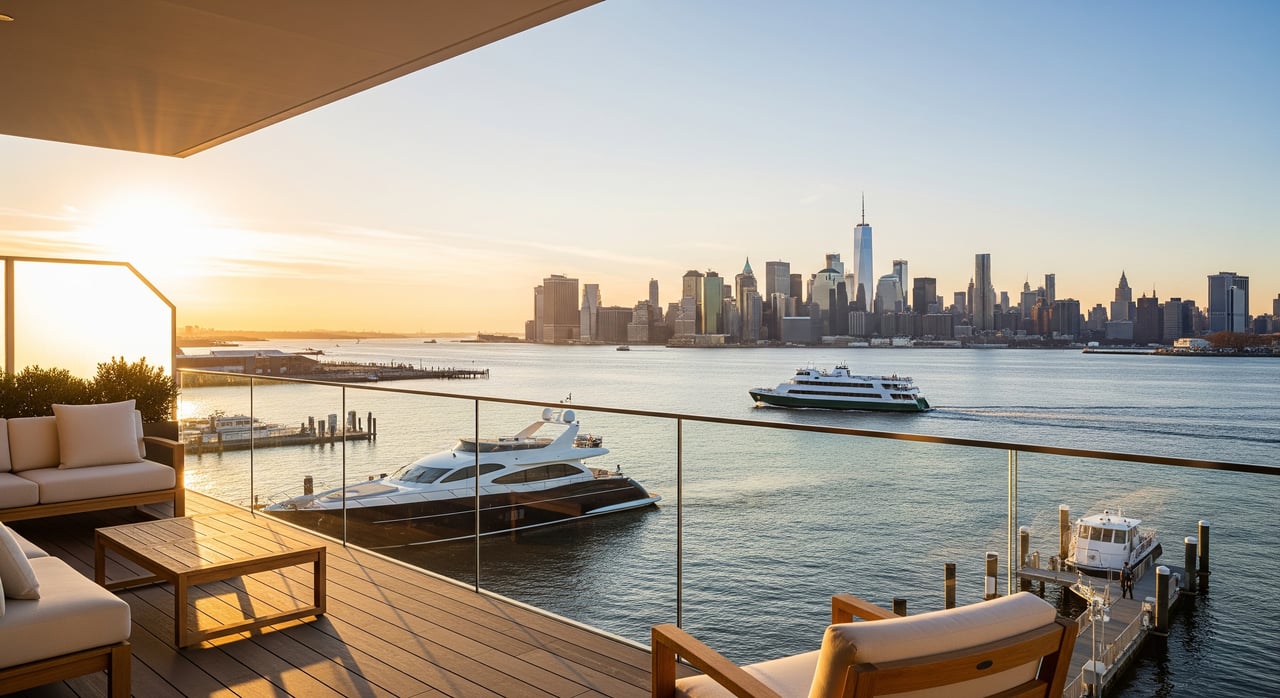
If you love living by the water but need a reliable 30 to 45 minute trip to Manhattan, you’re not alone. From weekday meetings in Midtown to client lunches in the Financial District, a predictable commute keeps your day on track. In this guide, you’ll learn the best routes from Sheepshead Bay, what affects timing, and how to plan door to door with confidence. Let’s dive in.
Commute choices at a glance
Sheepshead Bay gives you several solid paths into Manhattan. Each has tradeoffs, so the best option depends on your exact destination, your distance to a stop, and how much predictability you want.
- Subway (B/Q): High frequency and lower cost. Strong for Midtown, especially as a one-seat ride on the Q. Expect occasional delays and weekend work.
- Express bus (BM routes): One-seat, curb-to-curb service to Midtown or downtown Manhattan. Fewer departures and a higher fare, with variability from traffic.
- Driving or rideshare: Flexible door to door, but highly variable in peak traffic and expensive to park in Manhattan.
- Multimodal combos: Bike or walk to the train, or park in Brooklyn and transfer. Can improve predictability with a bit of planning.
Subway B/Q: your everyday workhorse
Routing and service basics
The Brighton Line serves Sheepshead Bay with Q trains all day and B trains on weekdays. The Q runs through the Broadway/Seventh Avenue corridor in Manhattan, reaching Times Square and the 34th Street area. Weekday peaks are frequent, and reliability is generally stronger than nights and weekends.
Midtown on the Q
For Midtown, the Q is often your best one-seat option. Typical weekday peak door-to-door timing lands around 30 to 50 minutes when your walk to the station is short. The in-vehicle portion commonly takes 25 to 35 minutes, then add your walk, wait, and exit time.
FiDi with a transfer
To the Financial District, you’ll typically transfer at Atlantic Ave–Barclays Center or at a Manhattan station. Plan on 35 to 60 minutes door to door in the weekday peak. Your transfer wait time is the biggest variable, so real-time checks help a lot.
Tips for smoother subway trips
- Use real-time tools to check arrivals and service before you leave.
- Build a 5 to 10 minute buffer for delays, especially if timing is critical.
- Watch weekend advisories on the Brighton Line. Night and weekend work is common and can require reroutes or shuttle buses.
- Verify station accessibility if you need elevators, since some Brighton Line stations south of Atlantic Ave are not ADA-accessible.
Express buses: curb-to-curb comfort
Several BM express routes serve southern Brooklyn and run limited-stop into Manhattan. They can be a comfortable, direct ride to Midtown or downtown with no transfers.
- When express wins: If you live steps from an express stop and catch a peak bus with reasonable traffic, door to door can fall in the 30 to 50 minute range. A seat and fewer transfers can also improve predictability and comfort.
- What to watch: Peak headways often run 10 to 20 minutes, with longer waits off-peak. Fares are higher than the subway and transfer rules differ. Traffic incidents can add variability, and standing reduces comfort on longer rides.
Driving and rideshare: flexible but variable
Driving from Sheepshead Bay into Manhattan changes a lot by time of day. Peak inbound congestion over bridges and through tunnels often makes driving slower than transit. Daily garage parking in Midtown or the Financial District is costly and limited.
- Peak hours: Often 35 to 60+ minutes door to door, and that can stretch with incidents.
- Off-peak: Can be competitive or faster, sometimes under 30 minutes in favorable conditions.
- Park-and-ride: Limited near Sheepshead Bay. Some drivers park in Brooklyn closer to the subway or an express bus stop and transfer to finish the trip.
Multimodal: faster first and last mile
- Bike to station + train: Shorten your access time. Folding bikes are allowed on the subway. Station bike parking varies, so scout racks in advance.
- Citi Bike: Coverage in southern Brooklyn keeps expanding, but docks may not be right at your door. Check availability before you rely on it daily.
- Ferry: There is no direct ferry from Sheepshead Bay to Manhattan. Nearby ferries in other Brooklyn areas are not practical for most local commuters.
Estimate your door-to-door time
Use this simple method to predict your actual schedule.
- Access time: Measure your walk, bike, or drive to the stop or station. Many homes are a 5 to 15 minute walk from a Brighton Line station.
- Wait time: Assume average wait equals half the headway.
- Q weekday peak: about 2 to 6 minutes typical.
- B weekday peak: similar when it is running.
- Express bus peak: about 10 to 20 minutes headways.
- In-vehicle time: Check a trip planner for your specific departure time. Subway and bus run times vary by routing and stops.
- Exit walk: Add 3 to 12 minutes from your Manhattan stop to your building.
- Buffer: Add 5 to 15 minutes if you need high confidence, or when using a mode with more variability.
Sample time windows to plan by
Midtown (34th St, Times Square, Midtown East)
- Q subway, one-seat: About 30 to 50 minutes door to door in the weekday peak for many Sheepshead Bay origins with a short walk. In-vehicle commonly 25 to 35 minutes.
- Express bus direct to Midtown: About 30 to 50 minutes in favorable peak runs, depending on headway, traffic, and proximity to the stop.
- Driving/rideshare: Highly variable; often longer than transit during peaks. Off-peak can be competitive.
Financial District (Wall St, South Street Seaport)
- Subway with transfer: About 35 to 60 minutes door to door in the weekday peak. Transfer timing drives variability.
- Express bus serving FiDi: Often 30 to 50 minutes when traffic cooperates, though variability can be higher than the subway.
- Driving/rideshare: Variable; late evening or off-peak is faster. Avoid counting on sub-45 minutes in the morning peak.
Make a 30 to 45 minute routine
Use these habits to improve consistency.
- Choose a one-seat option when possible to remove transfer risk.
- Check live arrivals and service advisories before leaving.
- Leave a small buffer of 5 to 10 minutes for walk and wait time.
- Have a backup plan for weekend work or incidents, such as a pre-vetted express bus or alternate subway route.
Tour the commute like a pro
When you visit Sheepshead Bay or preview a new route, do a quick on-the-ground check.
- Walk the approach: Note sidewalk conditions, crosswalks, and how the route feels both morning and evening.
- Find your exact stop: See where queues form for express buses. Check if there is shelter for bad weather.
- Map amenities: Identify coffee spots, indoor waiting options, and bike racks near your station or stop.
- Parking rules: If you plan to drive to a stop, check posted restrictions and meter hours in person.
- Accessibility: Confirm elevator and escalator availability at your origin and destination stations.
Live tools to use
- MTA website: For subway maps, express bus schedules, fares, service advisories, and accessibility information.
- Trip planners and apps: Use the MTA Trip Planner, Google Maps, Citymapper, or Transit to compare options in real time.
Ready to enjoy the waterfront and a predictable commute?
At The Aqualina in Sheepshead Bay, you can balance coastal-luxe living with reliable connections to Midtown and the Financial District. Plan your best route, build a small buffer, and enjoy the calm of coming home to modern finishes, in‑unit laundry, and resort-style amenities when the workday ends. Want to see how your routine fits here? Request a tour and time your trip during peak hours.
Connect with Bonjour Capital to Request a Tour.
FAQs
Which is faster from Sheepshead Bay to Midtown: subway or express bus?
- For many commuters, the Q subway is more consistent in peak hours, but an express bus can be faster and more comfortable if you live near the stop and catch a good peak run.
What is a typical door-to-door time to Midtown during rush hour?
- Plan on about 30 to 50 minutes for both the Q subway one-seat ride and a direct express bus in favorable peak conditions.
How can I keep my commute within 30 to 45 minutes?
- Choose a one-seat option when possible, check live arrivals before leaving, keep a 5 to 10 minute buffer, and have a preplanned backup route.
Is driving to the Financial District quicker than transit in the morning?
- Usually not; peak congestion often makes driving longer than transit, though off-peak and late evening trips can be competitive.
Are there park-and-ride options near Sheepshead Bay?
- Options are limited; verify any private lots in advance, or consider parking closer to a transit corridor and transferring.
What should I do about weekend Brighton Line work?
- Check MTA weekend advisories before you go, allow extra time, and have an alternate route ready such as an express bus or different subway transfer.