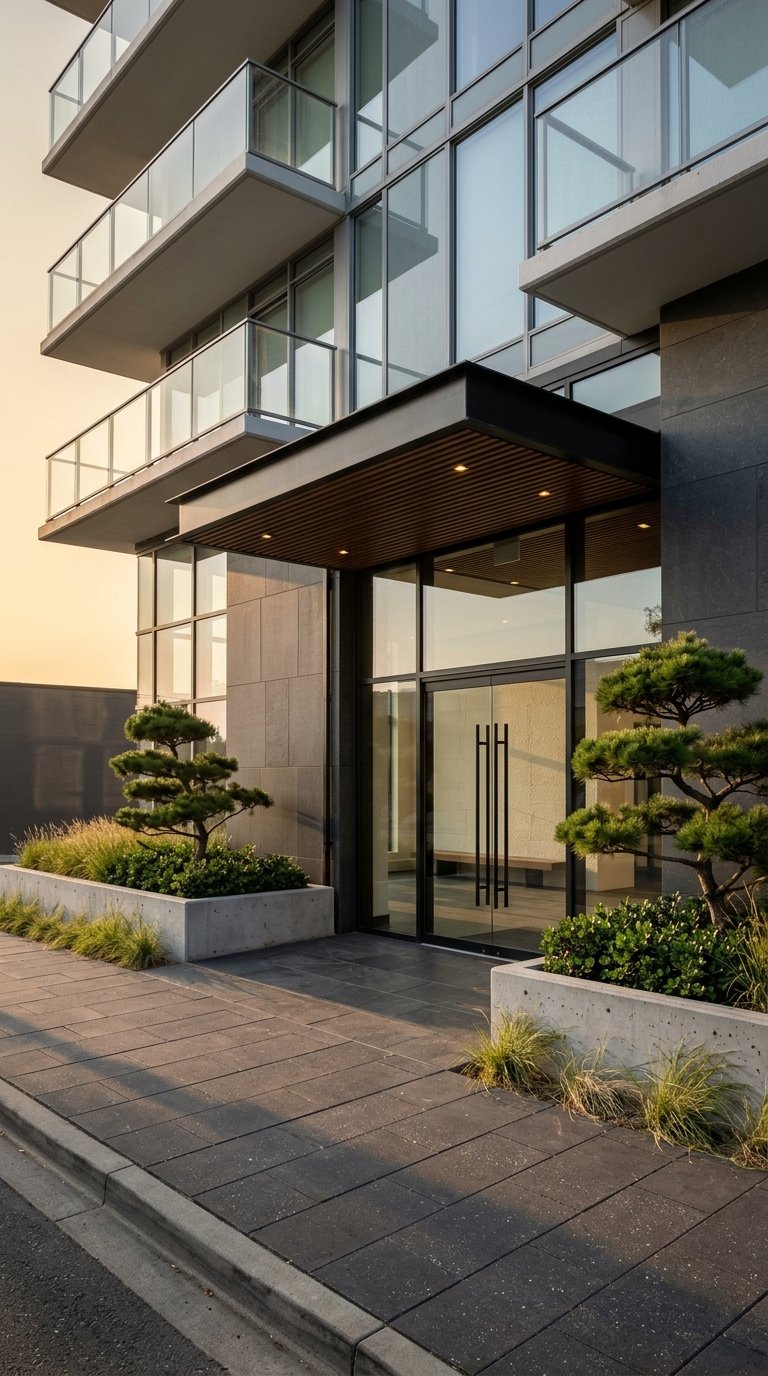
Wondering whether a waterfront rental building in Sheepshead Bay is actually worth the premium? That is a smart question, because in this part of Brooklyn, the water view can be a real lifestyle upgrade, but it also changes what you need to look at before you sign. If you want to compare buildings with more confidence, this guide will help you weigh amenities, commute, management, and flood-related factors in a practical way. Let’s dive in.
Start With the Waterfront Reality
Sheepshead Bay is not just another Brooklyn rental market. According to NYC Planning, Emmons Avenue is the heart of the waterfront, with restaurants, shops, and commercial and recreational boats shaping the area’s daily rhythm.
That setting gives the neighborhood a distinct appeal, but it also means two buildings in the same area can feel very different in real life. One may feel calm and tucked away, while another may feel more active because of foot traffic, street activity, or proximity to the bayfront.
Compare the Exact Building Location
When you tour, focus on the building’s immediate surroundings, not just the neighborhood name. A bayfront address may offer stronger views and easier access to the waterfront, but it can also come with more ambient activity during evenings and weekends.
If you are a commuter, look at how the building fits into your daily routine. If you are home more often, think about how much the surrounding noise, privacy, and traffic patterns will affect your day-to-day comfort.
Evaluate Flood Risk First
In Sheepshead Bay, flood exposure should be part of your rental decision from the beginning. NYC Planning’s Sheepshead Bay study says much of the area has significant vulnerability to a 1% annual chance storm event, and wave risk is also a concern south of Emmons Avenue.
That does not mean every building carries the same level of risk. It does mean you should compare buildings carefully, especially because many homes and apartment buildings in the area were not originally built to current flood-resilient standards.
Check Flood Zone and Elevation
Use NYC Flood Maps to see whether a property sits in a higher-risk flood zone such as VE, AE, AO, or A. You can also compare the base flood elevation with the building’s lowest occupied floor.
This step helps you understand whether flood risk is mostly about the site, the design, or both. In a waterfront neighborhood, that context matters as much as the rent or the view.
Ask About Ground-Floor Exposure
Ground-floor and below-grade spaces deserve special attention. Ask whether the lobby, storage rooms, parking, mechanical rooms, or commercial spaces sit below flood elevation.
NYC Planning notes that below-grade spaces and uses below the flood elevation can be especially vulnerable and costly to floodproof. For you, that can affect convenience, building operations, and what happens during or after a storm event.
Understand Insurance Implications
Flood risk is not only a building issue. NYC explains that standard renters insurance does not cover flood damage, though flood policies are available to renters through the National Flood Insurance Program.
If you are considering a waterfront building, ask yourself whether you would want separate protection for your belongings. That is an important part of comparing the true cost of one building against another.
Look Beyond the Amenity List
Waterfront rentals often market a strong amenity package, but the best building for you is the one whose amenities actually improve your routine. A polished brochure is helpful, but it is not the same as daily usability.
As you compare buildings, think about whether the amenities save time, reduce stress, or add value to the way you live. That is a much better filter than simply counting features.
Ask Practical Amenity Questions
Use this checklist when you tour:
- What are the operating hours for the pool, roof deck, fitness areas, or lounge spaces?
- Do any amenities require reservations?
- Are outdoor amenities seasonal?
- How does package handling work?
- Is parking available, and if so, is it easy to access?
- Is EV charging offered?
- Is there concierge or 24/7 service support?
For many renters, these details matter more than the headline feature. An amenity only adds value if you can use it consistently and without friction.
Test In-Unit Comfort, Not Just Finishes
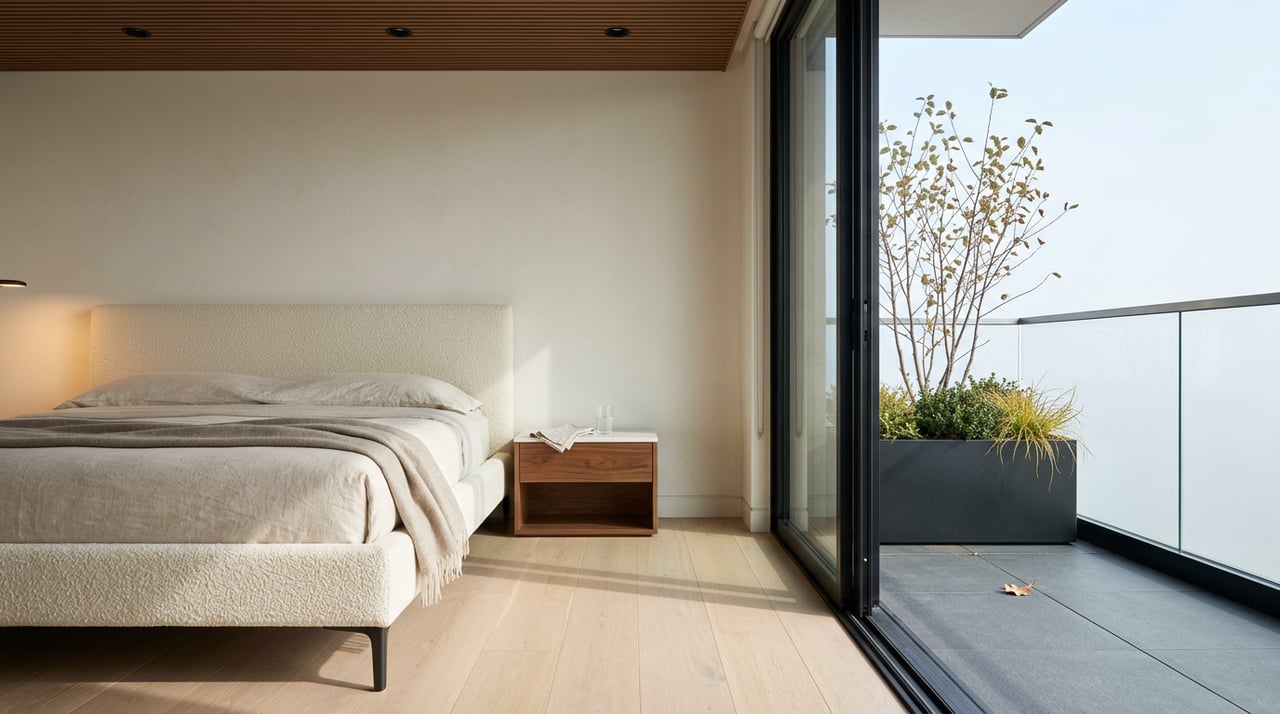
Modern finishes can make a strong first impression, especially in newer waterfront rentals. Still, in a bayfront setting, comfort matters just as much as appearance.
Salt air, humidity, wind exposure, and temperature swings can all affect how a unit feels over time. That is why it is worth looking past countertops and appliances to focus on how the apartment performs.
What To Check Inside the Apartment
As you walk through a unit, pay attention to:
- Window quality and how well they seal
- Sound insulation from the street, bayfront activity, or trains
- Heating and cooling performance
- Storage space
- In-unit laundry convenience
- Balcony condition, if included
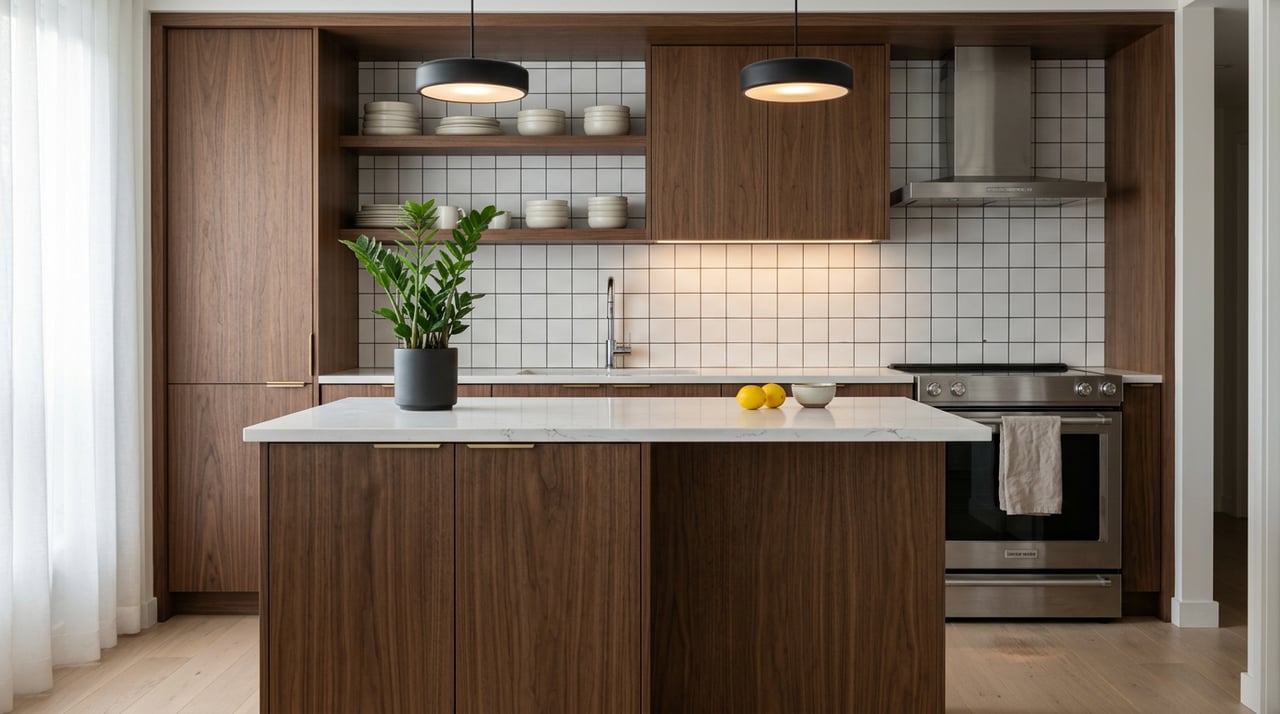
- Kitchen durability and everyday function
If possible, visit more than once or ask detailed follow-up questions. A waterfront apartment should feel relaxing, not high-maintenance.
Review Management and Building History
Good management can make a major difference in any rental building, but especially in a waterfront property where maintenance issues can escalate faster if they are not handled promptly. You want to know whether the building is run well, not just marketed well.
Public records can help you check that. NYC DOB says BIS and DOB NOW show complaints, violations, permits, inspections, certificates of occupancy, and whether issues are active or resolved. HPD says HPDOnline shows complaints and violations, including open items.
Look for Patterns, Not Perfection
Almost any building may have some complaints or past issues. What matters more is whether you see repeated unresolved problems.
That pattern can tell you far more than a staged tour. A professionally run building should show a stronger track record of responsiveness and follow-through.
Measure the Real Commute
Transit is one of the biggest tradeoffs in Sheepshead Bay waterfront living. The MTA shows the Sheepshead Bay station on the Q line at Sheepshead Bay Road and East 15 Street and Voorhies Avenue, and the station is open-cut.
Nearby bus options include the B4, B36, B44, and B44-SBS. That gives renters several ways to connect, but your actual experience will depend on your specific building location, your walk, and whether you rely on a transfer, parking, or rideshare.
Map the Door-to-Door Routine
Do not stop at checking a subway map. Test the route from the building entrance to the station, bus stop, or parking area.
Pay attention to:
- Walking time in good and bad weather
- Lighting and comfort at night
- Bus transfer convenience
- Parking access if you drive
- Station accessibility if that matters to your household
If accessibility is important, use the MTA’s accessible-stations information and elevator status before making a decision, since conditions can change.
Consider Noise and Privacy
Waterfront living often sounds peaceful in theory, but each building has its own tradeoffs. Emmons Avenue is a destination area, so local activity can be part of the living experience.
There is also a transit factor. Because the Sheepshead Bay subway stop is open-cut, apartments closer to that corridor may experience more audible train and street activity than a setback building or a unit facing the water.
Visit at More Than One Time
This is one of the easiest ways to avoid surprises. Tour during the day if you can, but also try to see the area in the evening or on a weekend.
That extra visit can help you judge noise, privacy, traffic flow, and the overall atmosphere. In Sheepshead Bay, timing can change how a building feels.
Review Pet Rules and Nearby Outdoor Space
If you have a pet, read building policies carefully. Separate ordinary pet rules from assistance-animal rights, because NYC Animal Welfare and HUD both note that assistance animals are not pets and that reasonable-accommodation rules can override certain pet restrictions when the animal qualifies.
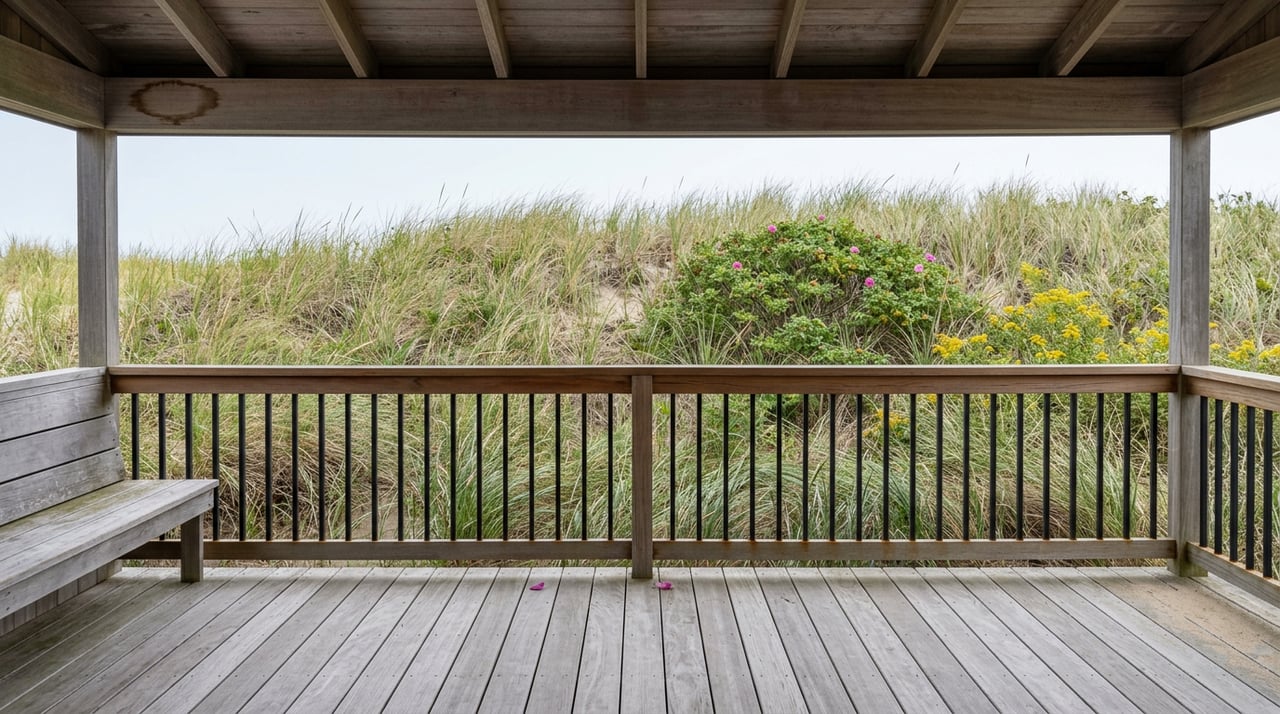
For your daily routine, outdoor access matters too. NYC Parks identifies Sheepshead Bay Piers as a waterfront facility and lists Manhattan Beach Park and Sheepshead Playground nearby.
Match the Building to Your Routine
If you walk a dog, have children, or simply want more outdoor time, nearby parks and waterfront spaces can add real value. A building’s internal amenities matter, but the surrounding public spaces also shape your experience.
This is especially important if you want a home that supports both convenience and breathing room.
A Smart Way To Compare Buildings
If you are choosing between several waterfront rentals in Sheepshead Bay, keep your evaluation simple and consistent. Compare each building on the same categories instead of relying on first impressions alone.
A useful scorecard might include:
- Flood zone and elevation context
- Ground-floor and below-grade exposure
- Actual commute time
- Amenity usability
- In-unit comfort
- Noise and privacy
- Public maintenance record
- Pet rules and outdoor access
- Parking and EV charging, if relevant
That approach helps you see whether a building is truly a fit for your lifestyle, not just attractive on paper.
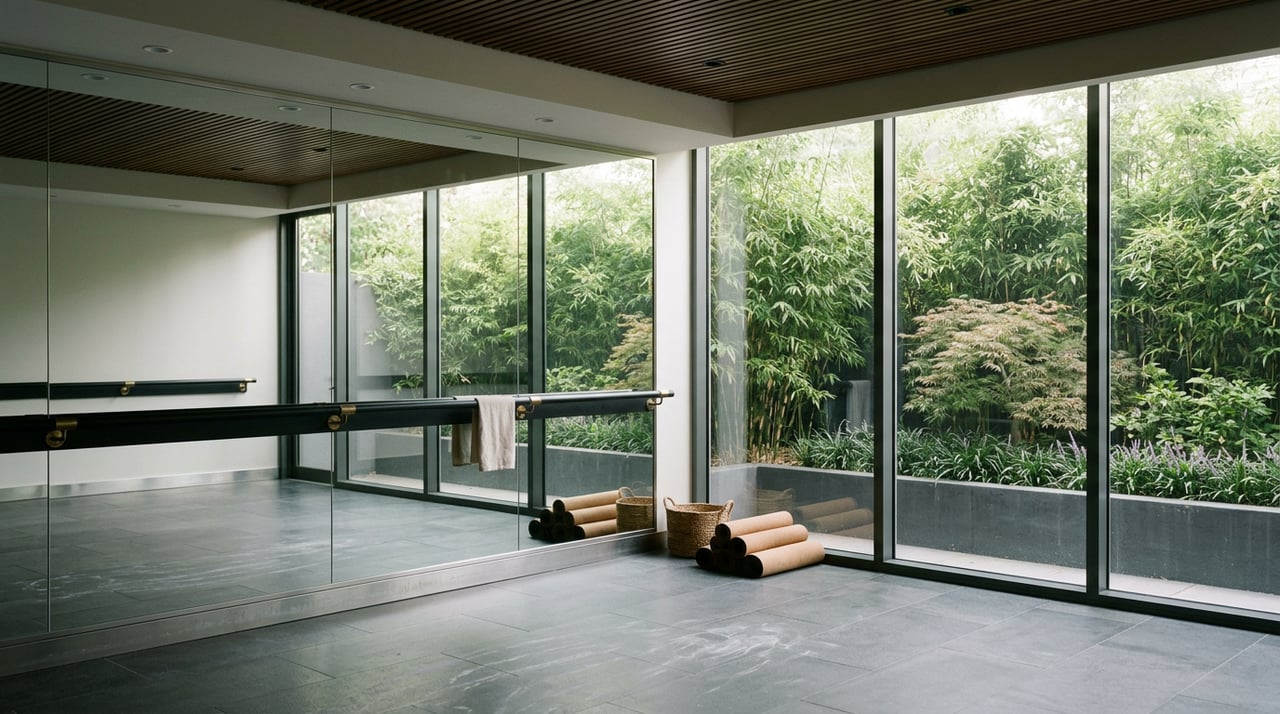
If you are looking for a waterfront rental that combines modern finishes, in-unit laundry, bay views, commuter convenience, and a strong amenity package that includes a pool, rooftop lounge, fitness and yoga studios, parking, EV charging, and professional on-site service, Bonjour Capital can help you explore your options at The Aqualina.
FAQs
What should renters check first in a Sheepshead Bay waterfront building?
- Start with flood zone, building elevation, and the location of ground-floor or below-grade spaces, then compare commute, management record, and everyday amenity value.
How can renters research building complaints in Sheepshead Bay?
- You can review NYC DOB records through BIS and DOB NOW, and check HPDOnline for complaints and violations, including open items.
Does renters insurance cover flood damage in Sheepshead Bay?
- Standard renters insurance does not cover flood damage, so renters in waterfront buildings should review separate flood coverage options for personal belongings.
What transit options matter most for Sheepshead Bay renters?
- Many renters compare access to the Q train at Sheepshead Bay station along with nearby B4, B36, B44, and B44-SBS bus service, plus parking needs if they drive.
How can renters evaluate noise in a Sheepshead Bay waterfront apartment?
- Visit the building at different times of day and pay attention to bayfront activity, street noise, and whether the apartment is near the open-cut subway corridor.
What amenity questions should renters ask in a waterfront building tour?
- Ask about amenity hours, seasonal closures, reservation rules, package handling, parking, EV charging, and whether concierge or 24/7 services are available.
Are assistance animals treated the same as pets in NYC rental buildings?
- No. Assistance animals are not treated as pets, and reasonable-accommodation rules may apply differently than standard pet policies.