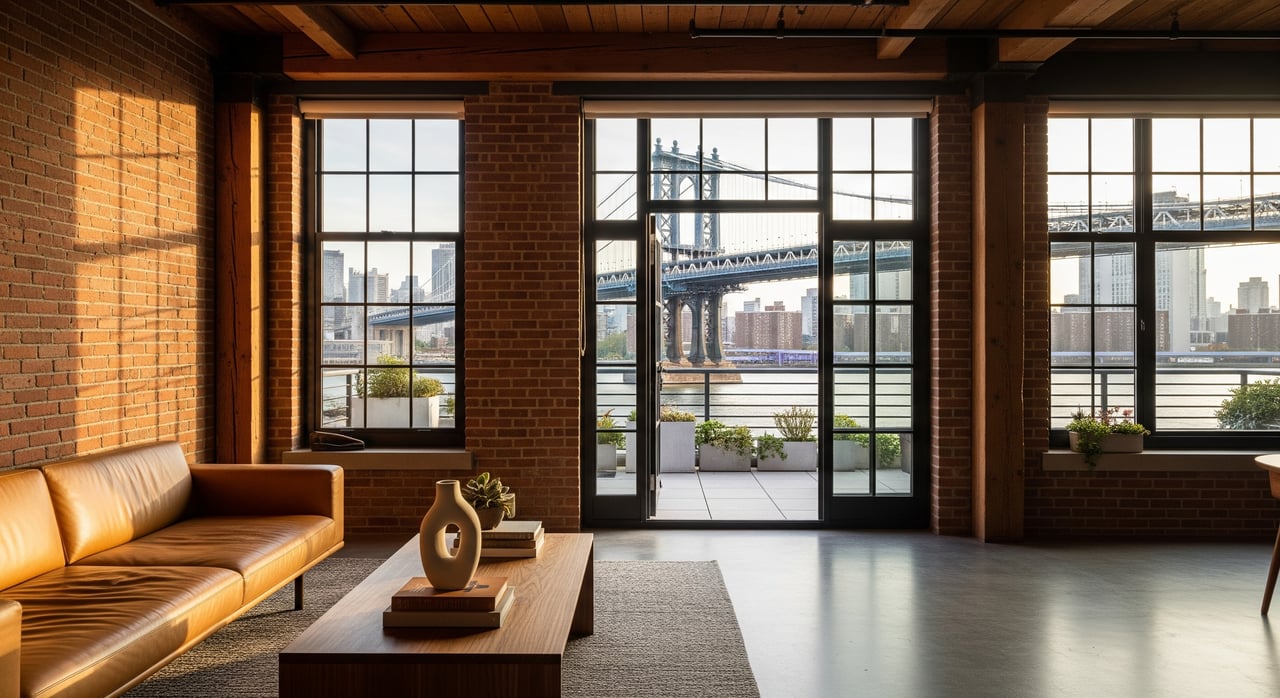
Thinking about renting in DUMBO and wondering what your money gets you? You are not alone. This small Brooklyn waterfront neighborhood is one of the most sought-after rental markets in the city, known for dramatic views, industrial-chic lofts, and quick access to Lower Manhattan. In this guide, you will learn what typical rents look like, how buildings differ, what daily life feels like, and the best ways to compare DUMBO to other waterfront options. Let’s dive in.
What to expect in DUMBO rentals
DUMBO sits between the Manhattan and Brooklyn Bridges, which gives you a compact, walkable setting with sweeping river views and easy access to parkland. Limited land and steady demand shape the rental experience here, so inventory moves quickly and premium units often command higher prices.
Building types
- Industrial conversions and lofts. You will find former warehouses refitted for residential use. Expect exposed brick, large windows, tall ceilings, and open plans. Many are boutique buildings in landmarked structures.
- Low-rise and mid-rise walk-ups. Smaller brick buildings offer simpler living and fewer amenities. These can come with trade-offs like no elevator or limited common areas.
- Newer high-rises and modern mid-rises. Glassy towers and contemporary developments add full-service living and newer systems, often built from the 2000s onward.
- Mixed-use properties. Ground-floor cafés, galleries, and shops with apartments above are common along Front, Water, and Main Streets.
Unit finishes
- Older loft conversions. Look for reclaimed or plank flooring, exposed beams, and open kitchens with character. In-unit laundry is not guaranteed, though many buildings provide shared laundry rooms.
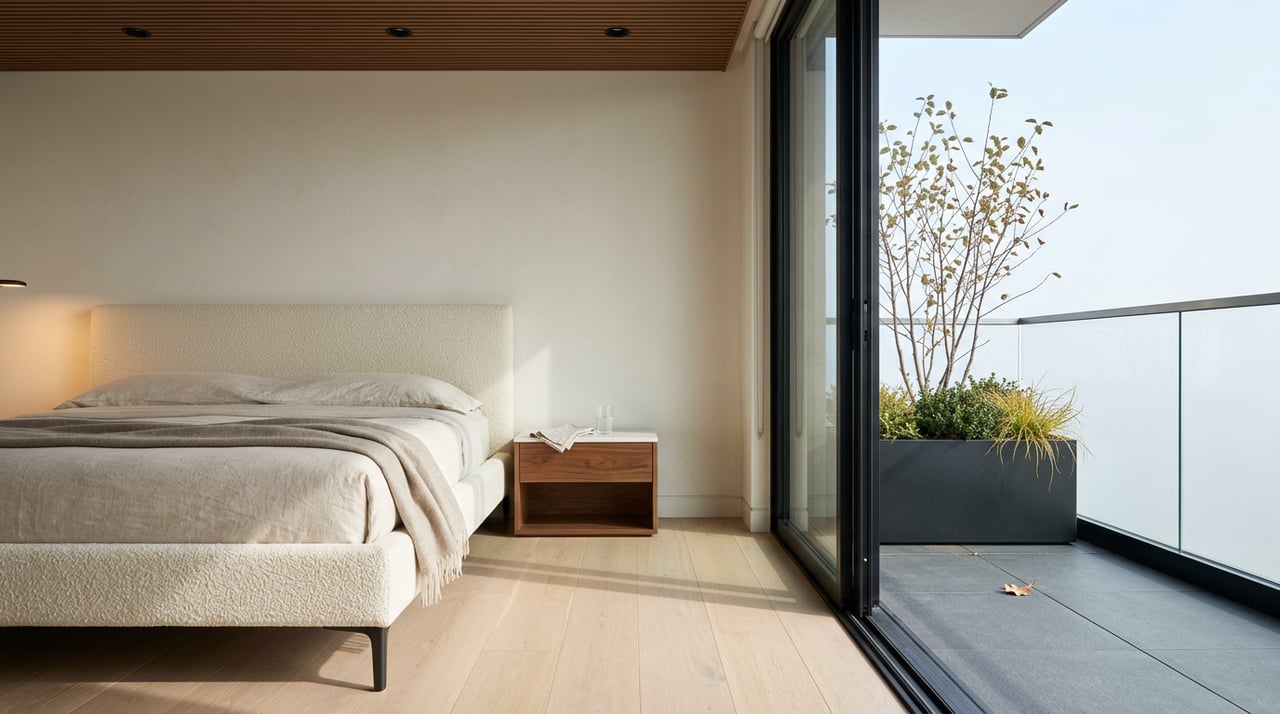
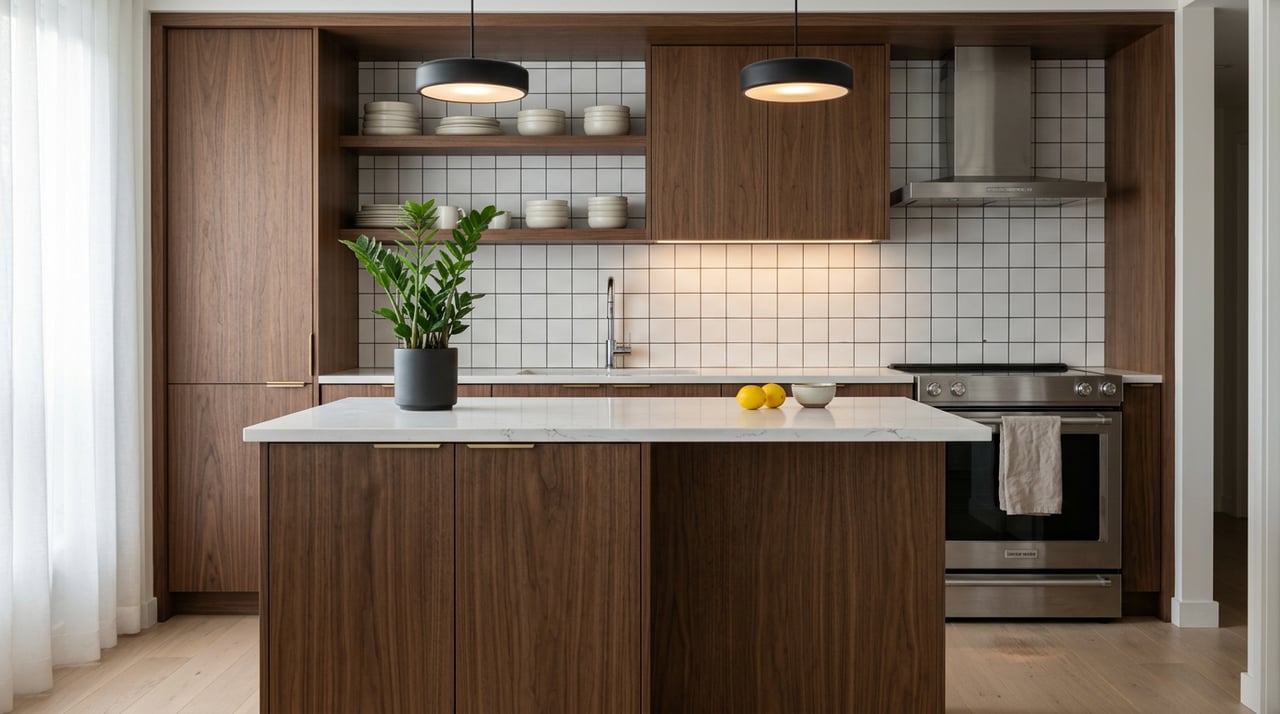
- Newer developments. You will often get engineered or wide-plank floors, stone countertops, stainless appliances, recessed lighting, and in-unit washers and dryers. Many homes feature floor-to-ceiling windows or balconies to frame the views.
- Bathrooms. Conversions often keep classic tile, while new buildings lean toward spa-like finishes with walk-in showers, soaking tubs, and upgraded fixtures.
- Accessibility. Newer buildings typically have elevators and modern accessibility features. Older properties vary, so confirm details during tours.
Amenities you will commonly see
- Boutique and loft buildings. Expect lighter amenity packages like bike storage, small gyms, or shared laundry.
- Full-service and waterfront properties. Many offer a 24-hour doorman, concierge, package rooms, fitness centers, roof decks, lounges, children’s playrooms, pet wash areas, storage, and paid parking. Some include curated outdoor spaces connected to the waterfront.
How much do DUMBO rentals cost
DUMBO rents sit above most Brooklyn averages. Exact prices vary by building, floor, and view, so use these ranges as orientation rather than guarantees.
Typical price bands
- Studios. About $2,500 to $3,800 per month.
- One-bedrooms. About $3,200 to $5,000 per month, with many listings clustering around the mid-$3,000s to low-$4,000s.
- Two-bedrooms. About $4,500 to $8,000+, especially for larger layouts with water views and top-tier amenities.
For a live read on the market, check neighborhood trackers like the StreetEasy DUMBO rental trends and the Zumper DUMBO rent report. Broader market tools like RentCafe’s rental insights can help you compare across submarkets.
What drives rent up or down
- View and exposure. Direct East River or bridge views often price higher than interior or courtyard exposures.
- Building age and finish level. Newer, full-service buildings tend to command premiums over walk-ups and older conversions without upgraded systems.
- Amenity depth. A doorman, gym, roof deck, and parking can lift pricing and attract faster demand.
- Lease length and seasonality. Summer leasing can be more competitive. Short-term and furnished rentals usually carry higher monthly rates.
- Supply constraints. The neighborhood is small and largely built out, which keeps inventory tight.
- Macro trends. Citywide demand, interest rates, and office return patterns influence what owners ask and what renters will pay.
Lifestyle and daily living
DUMBO blends postcard views with lively streets. You will share the neighborhood with visitors during peak hours, which adds energy during the day and summer weekends.
Parks and culture
Brooklyn Bridge Park is the neighborhood’s anchor. Its lawns, promenades, sports courts, playgrounds, and seasonal programming make waterfront time part of your routine. Explore current maps and events on the Brooklyn Bridge Park website. You will also find Jane’s Carousel, galleries, and venues like St. Ann’s Warehouse nearby.
Dining and shopping
Expect a dense mix of cafés, bakeries, and wine bars, plus design-forward retail and galleries. Seasonal pop-ups and markets in nearby corridors keep things fresh.
Practical tips
- Tourist traffic. Foot traffic spikes near the bridges and waterfront. If you prefer quieter evenings, ask about unit orientation and window glazing.
- Packages and deliveries. Newer buildings handle high delivery volume with package rooms or lockers. Smaller properties may have simpler systems.
- Pets. Pet policies vary by building, including size limits and fees. Confirm details before you apply.
- Flood awareness. Waterfront properties may sit in mapped flood zones. Use the FEMA Flood Map Service Center to check a building’s designation and ask about mitigation measures.
Transit and commute
DUMBO is well connected for Lower Manhattan and Downtown Brooklyn, with multiple ways to cross the river or move along the waterfront.
Subway and ferry
- Subway. The F train at York Street and the A/C at High Street serve most of the neighborhood. Jay St–Metrotech expands options within a short walk for some addresses. For maps and service alerts, use the MTA’s official site.
- Ferry. The South Brooklyn route stops at the DUMBO/Fulton Ferry landing and connects to Manhattan waterfront points and other borough stops. Routes and schedules are on NYC Ferry.
Biking and walking
The Brooklyn Bridge pedestrian and bike paths create a direct non-vehicular link to Manhattan. Within DUMBO, sidewalks and waterfront paths make daily errands easy on foot.
Commute time ranges
- Lower Manhattan. About 5 to 20 minutes, depending on exact origin and mode.
- Midtown Manhattan. About 25 to 45 minutes by subway, with fewer direct options.
- Nearby Brooklyn neighborhoods. About 5 to 25 minutes by foot, bike, or transit.
Comparing DUMBO to other waterfront areas
If you want a clear, apples-to-apples comparison, use a simple framework. Collect the same data points for each neighborhood and line them up.
- Price and rent metrics. Median asking rents by bedroom count, rent per square foot, and 12 to 36-month trends. Pull from sources like StreetEasy’s neighborhood pages and Zumper’s DUMBO report, then repeat for the areas you are considering.
- Inventory and building stock. Split buildings into loft conversions, new construction, and low-rise walk-ups, and note the prevalence of high-rise living and furnished or short-term inventory.
- Finishes and amenities. Compare interior quality, doorman presence, gym access, roof decks, parking, and storage.
- Transit and commute. Map the subway lines and ferry access that connect you to work, then note typical travel times.
- Lifestyle and public space. Track waterfront park access, cultural anchors, and weekend tourist density.
- Long-term livability. Note public school zoning boundaries and nearby options, playground proximity, and the availability of larger 2-bedroom and 3-bedroom layouts. Confirm zoning with the NYC Department of Education.
- Financial and risk factors. Look at premiums for water views, parking costs, and any flood-zone implications via the FEMA flood map lookup.
- On-the-ground vibe. Scan local coverage to spot development updates and neighborhood patterns. Publications like Brownstoner provide useful context.
Is DUMBO right for you
Choose DUMBO if you value quick access to Lower Manhattan, iconic views, and a walkable waterfront lifestyle. You will pay a premium for that combination, especially for new construction or high-floor homes with river or bridge exposure. If you love historic character, a loft conversion may be your sweet spot. If you want more services under one roof, a full-service tower may be worth the price.
If you are exploring Brooklyn waterfront living beyond DUMBO and want a coastal-luxe setting with a strong amenity program and commuter connectivity, consider expanding your search to southern Brooklyn. To compare options or arrange tours, connect with Bonjour Capital. Request a Tour.
FAQs
What are typical DUMBO rents for a 1-bedroom
- Most 1-bedrooms list around $3,200 to $5,000 per month, with many offers clustering in the mid-$3,000s to low-$4,000s based on recent trackers.
Where can I check current DUMBO rental prices
- Use the live neighborhood pages on the StreetEasy DUMBO trends page and the Zumper DUMBO rent report to see up-to-date medians and changes.
Are loft conversions common in DUMBO
- Yes, many former warehouses were converted to residential lofts with exposed brick, large windows, and high ceilings, often in boutique or landmarked buildings.
What amenities do newer DUMBO buildings offer
- Full-service properties often include a 24-hour doorman, concierge, package rooms, gyms, roof decks, lounges, children’s playrooms, pet wash stations, storage, and paid parking.
How long is the commute from DUMBO to Manhattan
- Typical trips take about 5 to 20 minutes to Lower Manhattan and 25 to 45 minutes to Midtown, depending on the line, time of day, and exact origin.
How can I verify flood risk for a DUMBO address
- Look up the property on the FEMA Flood Map Service Center and ask the building about mitigation measures and insurance requirements.
What is the best way to handle tourist crowds when renting in DUMBO
- Ask about unit orientation, window glazing, and bedroom placement, and tour at different times to gauge foot traffic near the bridges and waterfront.