If you live by the water, you feel the breeze, the light, and the calm. You also deal with extra humidity, changing outdoor air, and the occasional musty day. If you have pets or allergies, those shifts can make a real difference in how you feel at home. In this guide, you’ll learn simple, landlord-friendly steps to keep your Sheepshead Bay apartment fresh, limit allergens, and set an easy upkeep cadence you can stick to. Let’s dive in.
Why waterfront homes need extra care
Humidity and moisture by the bay
Sheepshead Bay sits on the coast, so indoor humidity tends to run higher than in inland neighborhoods. Higher moisture makes it easier for mold and dust mites to thrive. Small leaks, damp bathroom walls, and steamy kitchens can create lingering odors and irritation for allergy and asthma sufferers.
Use the building’s bathroom and kitchen exhaust every time you shower or cook. If you see condensation on windows or walls, dry it quickly and increase ventilation. Report any recurring dampness or leaks so building staff can address the source.
Outdoor air and when to ventilate
Opening windows can be great when outdoor air is clear, but not all days are equal. Traffic, wood smoke, or construction can raise particulate levels. Check the local Air Quality Index before long flushes. On good-air days, short cross-breezes help refresh your space. On poor-air days, keep windows closed and rely on filtration instead.
Typical building systems to expect
Many Brooklyn apartments use building-controlled heat and window or portable AC for cooling. Central, tenant-accessible HVAC filters are less common in older stock. This makes portable solutions and good habits your best first steps. Clean AC filters often during the cooling season, and do not block vents or doors that support passive air movement.
Quick wins you can do today
Ventilate smarter
Run bathroom and kitchen fans during use and for at least 20 minutes after. Keep interior doors open when possible to promote airflow. For window airing, use short 10 to 30 minute cross-ventilation when the AQI is favorable. Avoid propping windows wide open for long periods on humid or poor-air days.
Filter the air you breathe
A portable HEPA purifier is one of the most effective upgrades you can make. Choose a True-HEPA model rated for your room size and run it on a continuous low setting for steady results. Replace filters on the schedule the manufacturer recommends, often every 6 to 12 months, and clean any prefilters more often.
If you have an in-unit filter slot you can access, pleated MERV 8 to 11 filters balance capture and airflow. For higher MERV ratings, confirm the system can handle the extra resistance. Window and portable AC units usually have washable filters that need cleaning every 1 to 3 months during use.
Control indoor humidity
Aim for 30 to 50 percent relative humidity year-round. A small digital hygrometer in the living room and bedroom helps you keep tabs at a glance. If readings are above 50 percent, use a portable dehumidifier with an auto-humidistat to pull moisture down. Empty and clean the tank and filter per instructions to avoid musty odors.
Clean the easy way
Use a vacuum with a HEPA filter and brush roll for carpets and rugs. Vacuum at least weekly, and 2 to 3 times per week in pet zones. Wash sheets and pillowcases in hot water weekly. Consider allergen-proof encasements for your mattress and pillows if hot washing is not practical.
Wipe horizontal surfaces, vents, and window sills monthly to reduce settled dust. For small mold spots under 10 square feet on non-porous surfaces, clean with soap and water and dry fully. If growth is larger or keeps returning, contact your landlord.
Plants with realistic expectations
Houseplants are great for mood and decor, but they do not replace filtration or ventilation. Choose low-pollen varieties and avoid overwatering to prevent mildew. If you have pets, confirm plant safety before bringing them home. Even pet-friendly plants can be a problem if soil stays soggy.
Pet and allergy tweaks that help
If you share your home with pets
Brush and groom your pet regularly to reduce dander indoors. Wash pet bedding weekly and vacuum high-traffic pet areas more frequently. Consider keeping the bedroom a pet-free zone to cut nighttime exposure. Place a HEPA purifier in the bedroom and your main living area for steady capture of dander and fine dust.
Keep litter boxes clean and ventilated. A bathroom with an exhaust fan is a good location. Covered boxes can hold odors but may trap moisture, so monitor and adjust based on what works in your space.
If you have allergies or asthma
Use allergen-proof encasements for your mattress, box spring, and pillows. Wash bedding in hot water weekly to reduce dust mites. If you have wall-to-wall carpet in the bedroom, deep clean it quarterly. It also helps to coordinate home steps with your medical plan if you are working with an allergist.
A simple quarterly checklist
- Check hygrometers in main rooms. Target 30 to 50 percent humidity. If over 50 percent, run a dehumidifier until 40 to 45 percent.
- Replace or clean portable HEPA prefilters and note the remaining life of main HEPA filters. Order replacements if they are due soon.
- Clean window AC filters and gently vacuum fins. If you have a wall unit, schedule seasonal maintenance.
- Deep vacuum carpets and rugs. Consider steam cleaning if you have pets or visible stains.
- Inspect walls, ceilings, window frames, and behind furniture for damp spots or mold. Take photos and notify your landlord if you see recurrent moisture or growth.
- Clean bathroom exhaust grilles and the range hood filter. Run fans for 20 minutes after showers and cooking.
- Wipe window sills and check for condensation. Dry surfaces and increase ventilation if condensation returns.
- Launder curtains and drapes or wipe blinds. Move and clean behind large furniture where dust collects.
- Review pet grooming routines and restock vacuum bags or filters.
When to involve your landlord or a pro
Building or health issues
Contact your landlord quickly for any of the following:
- Recurrent or large mold areas over 10 square feet
- Leaks, chronic condensation, or plumbing issues
- Odors or particulates that seem to come from building systems
Consider professional help for mold beyond small surface spots, HVAC servicing, or if symptoms persist despite home measures. An industrial hygienist or your medical provider can help identify sources and options.
Product selection made simple
- HEPA air purifier: True-HEPA, matched to room size, quiet on sleep mode
- Dehumidifier: Auto-humidistat, easy-to-empty tank for rooms above 50 percent RH
- Vacuum: HEPA filter with brush roll and upholstery attachment
- Filters: Pleated MERV 8 to 11 for accessible filter slots, confirm before using 13
- Hygrometer: Inexpensive digital unit for each main living area
Living well at The Aqualina
In-unit laundry makes weekly hot-wash bedding simple, so allergen control fits into your routine. Many homes include balconies, which help with short, controlled air flushes on good-air days. If you notice moisture, a quick work order to onsite management gets the right eyes on potential sources so issues do not repeat.
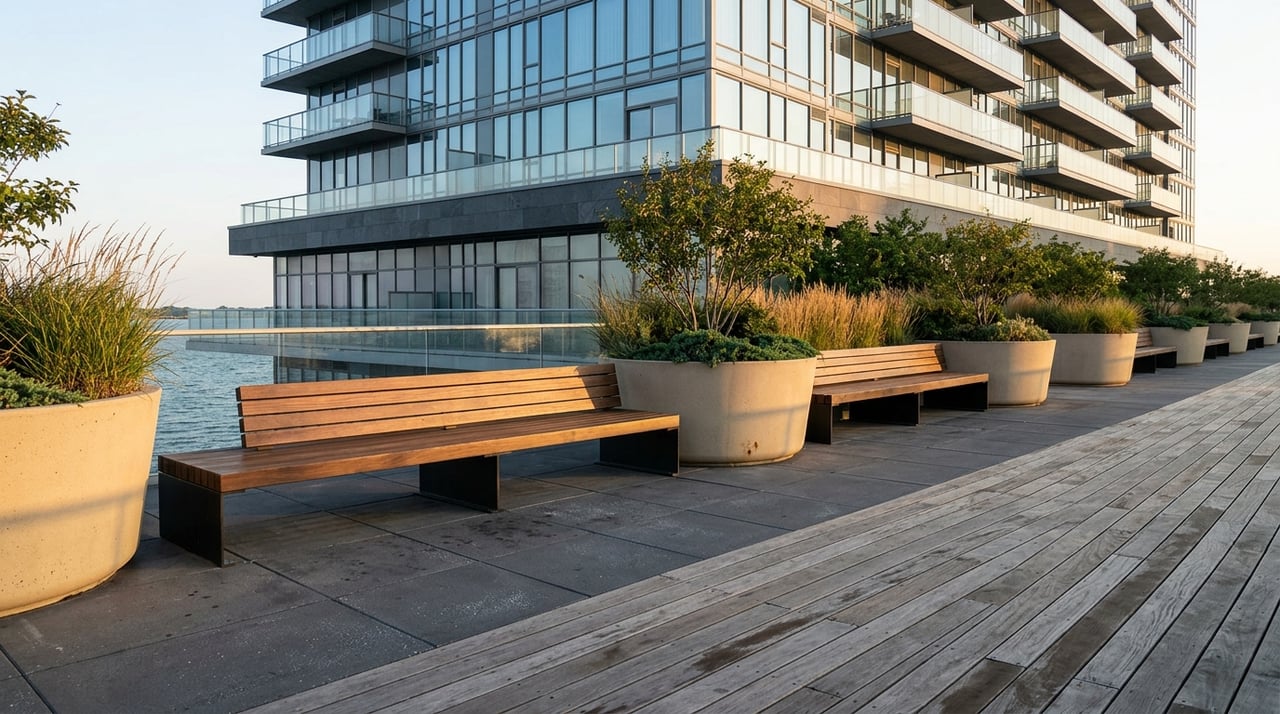
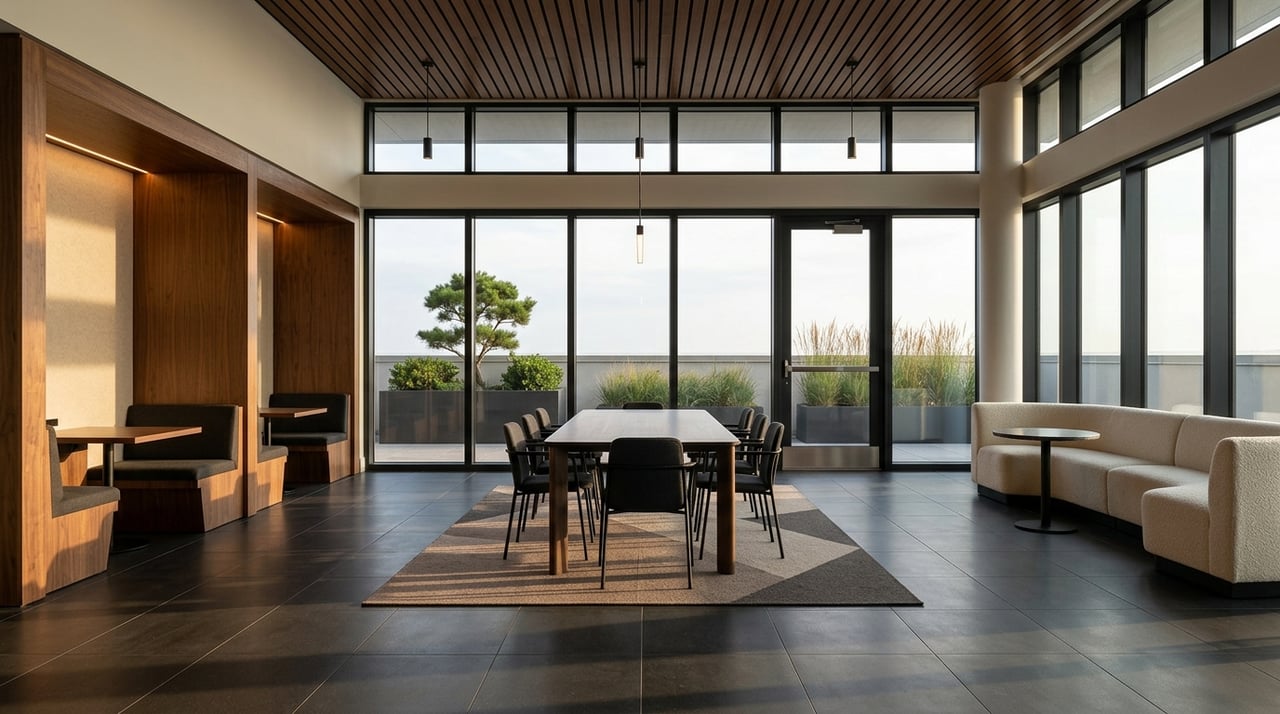
Shared amenities like the fitness studio, rooftop lounge, and clubroom help you enjoy fresh-air breaks and sunlight without straying far from home. If you live with a pet, easy access to outdoor spaces makes grooming and regular cleanup more manageable.
Breathe easier by the bay
Cleaner air comes from steady habits, not big overhauls. With smart ventilation, a well-sized HEPA purifier, and a simple humidity target, you can keep your Sheepshead Bay home feeling fresh and comfortable year-round. If you want a waterfront lifestyle that supports healthy routines, it helps to start with a thoughtfully run community and modern finishes that make care easy.
Ready to experience coastal-luxe living that feels as good as it looks? Request a Tour with The Aqualina.
FAQs
What humidity level is best for a Sheepshead Bay apartment?
- Aim for 30 to 50 percent relative humidity. Use a hygrometer to monitor and a dehumidifier to bring levels down if they rise above 50 percent.
Do houseplants really clean indoor air in apartments?
- Plants can improve how a space feels, but they do not replace filtration or ventilation. Use a HEPA purifier for meaningful particle reduction.
How often should I clean a window AC filter near the bay?
- During the cooling season, clean or replace window and portable AC filters every 1 to 3 months. Coastal air and extra use can shorten that timeline.
When should I open windows versus run a purifier in NYC?
- Open windows for short cross-breezes when the AQI is good. On poor-air or high-humidity days, keep windows closed and run a HEPA purifier instead.
When do I call my landlord about moisture or mold?
- Report leaks, chronic condensation, or any mold larger than 10 square feet. Recurrent spots or musty odors after cleaning also warrant a service request.